Views: 0 Author: Site Editor Publish Time: 2025-07-17 Origin: Site


| Feature | Optical Rotary Encoder | Magnetic Rotary Encoder |
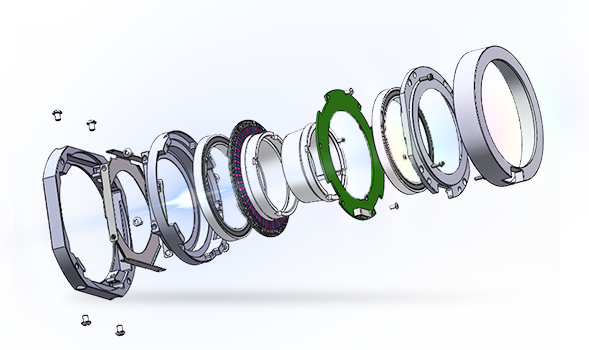
| Working Principle | Uses light (LED + photodetector) and a patterned optical disk | Uses a magnet and Hall-effect sensors to detect magnetic field changes |
| Resolution | Higher (up to millions of counts/rev) | Lower (typically hundreds to thousands of counts/rev) |
| Environmental Resistance | Sensitive to dust, moisture, and vibration | More robust (resistant to dust, dirt, moisture, and shock) |
| Accuracy | Higher | Lower (due to magnetic field variations) |
| Cost | More expensive | Lower cost |
| Applications | Precision systems (e.g., CNC, robotics) | Harsh environments (e.g., automotive, industrial machinery, outdoor equipment) |
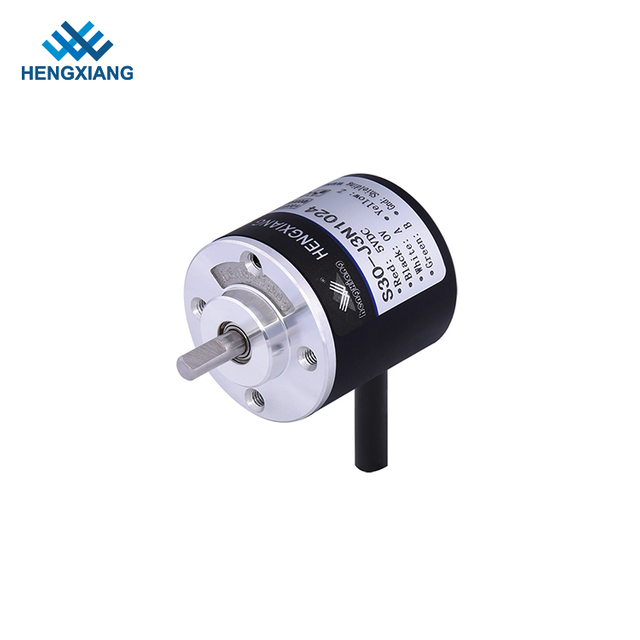
Optical and magnetic encoders? It’s a friendly competition with different strengths. Optical ones are the perfectionists—using light, a striped disk, and a sensor to hit crazy-high precision. They’re stars in clean, controlled spots like labs or CNC machines. But mess with them—dust, moisture, a bump—and they get grumpy, losing their edge.
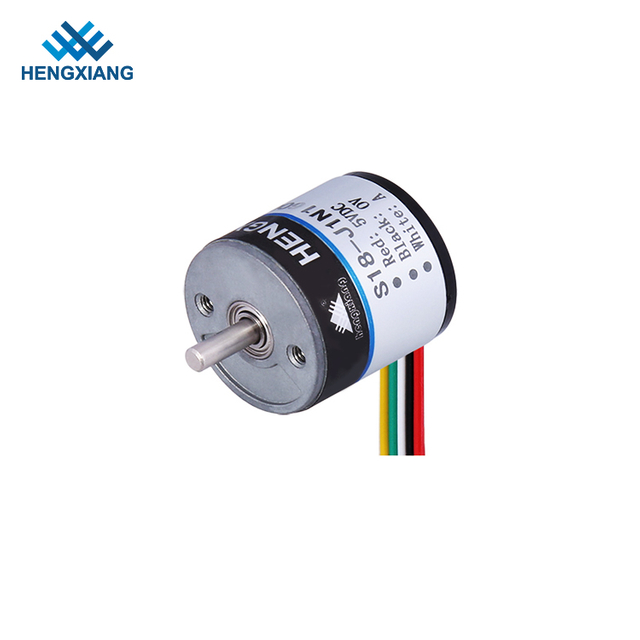
Magnetic encoders? The tough guys. They use magnets and Hall sensors, laughing off dirt, vibration, even rain. They’re not as precise, but in factories, outdoor gear, or messy spots, they’re unbreakable.
At SHHXGD, we love both. As an optical rotary encoder manufacturer, we polish the optics to shine. And we make magnets tough enough for any brawl. Because every job needs the right hero—no exceptions.