Views: 35211 Author: Site Editor Publish Time: 2026-05-08 Origin: Site


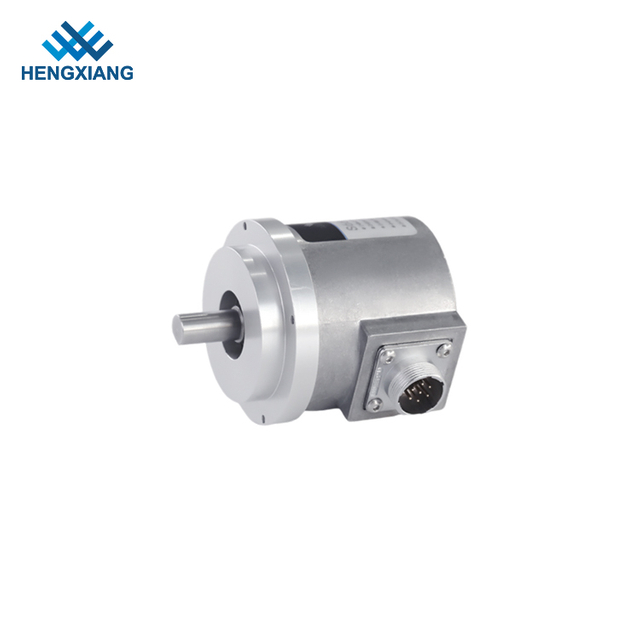
A solid shaft encoder is a rotary sensing device with a protruding shaft that connects to a motor or drive shaft via a flexible coupling. This separated design isolates the encoder from motor shaft misalignment and vibration, protecting the internal bearings and optical or magnetic disc from mechanical stress.
Why choose solid shaft?
The biggest advantage of a solid shaft encoder is its mechanical isolation. When a motor shaft vibrates or shifts slightly during operation, the flexible coupling absorbs the disturbance before it reaches the encoder. This means longer service life and more stable signal output, especially in heavy-duty applications like CNC machines, packaging equipment, and steel mill automation.
Key specifications
Solid shaft encoders typically offer shaft diameters of 6mm, 8mm, or 10mm, with standard flange or servo mounts. They are available in both incremental and absolute output types, with resolutions up to 17 bits. Housing protection up to IP67 ensures reliable operation in dusty or wet environments.
Applications
You will find solid shaft encoders in industrial motors, conveyor systems, elevator traction machines, printing presses, and radar servo mechanisms. Wherever vibration is present and precision cannot be compromised, the solid shaft design is the trusted choice.
Shanghai Hengxiang Solid Shaft Encoders
Shanghai Hengxiang Optical Electronics Co., Ltd. has been manufacturing solid shaft encoders since 2001. Our products combine in-house R&D with durable construction, supporting customization for shaft diameter, resolution, and output interface. Factory-direct quality, no middlemen.