Views: 52124 Author: Site Editor Publish Time: 2026-05-25 Origin: Site


In a drone, every gram affects flight time, and every millisecond of delay can ruin a shot. While the camera and flight controller get all the attention, the real unsung hero is the optical encoder – a tiny device that measures rotation with stunning precision.
Where Are Encoders Used in Drones?
Encoders serve three main roles in UAVs:
Gimbal stabilization – The most common application. Encoders on pitch, roll, and yaw axes provide real‑time angle feedback, keeping the camera steady even in strong winds.
Actuator control – For wing flaps, landing gear, or parachute release, encoders confirm that the mechanical part has reached the commanded position.
Motor speed feedback – High‑end drones use encoders to close the speed loop of brushless motors, resulting in smoother throttle response and better energy efficiency.
Why Optical Encoders?
Optical encoders are preferred for gimbals because they offer high resolution (thousands of pulses per revolution), low latency, and excellent linearity. Magnetic encoders are more dust‑resistant, but for professional photography and inspection, optical accuracy is non‑negotiable.
Key Selection Criteria
Drone designers focus on four factors:
Size & weight – Miniature encoders (18‑48 mm diameter, under 80 g) are a must.
Resolution – For smooth video, 500‑2500 PPR is typical; absolute encoders with 24‑bit resolution serve high‑end gimbals.
Interface – Incremental A/B/Z signals work with most gimbal controllers.
Power – Low current (a few mA) extends flight time.
Hengxiang Encoders for Drones
Hengxiang offers several models that fit perfectly into compact UAV designs:
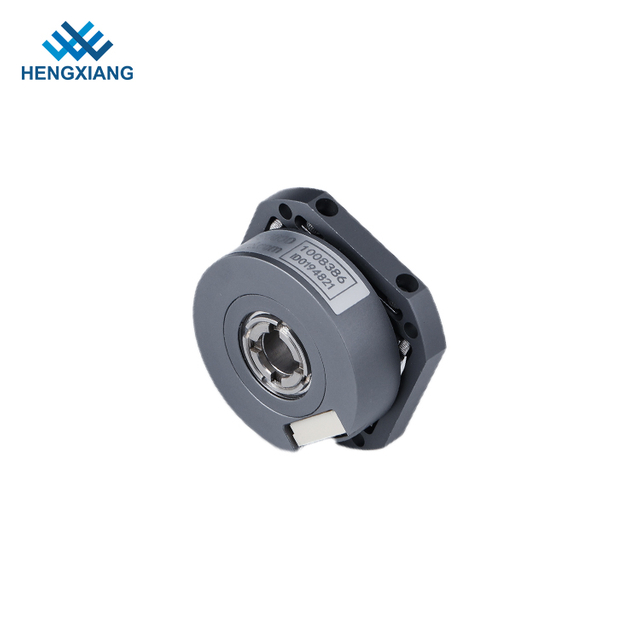
Z48 – 48 mm diameter, 22.5 mm thin, 50‑2500 PPR. Ideal for DIY and commercial gimbals. Supports wide voltage (5‑30 V DC) for easy integration.
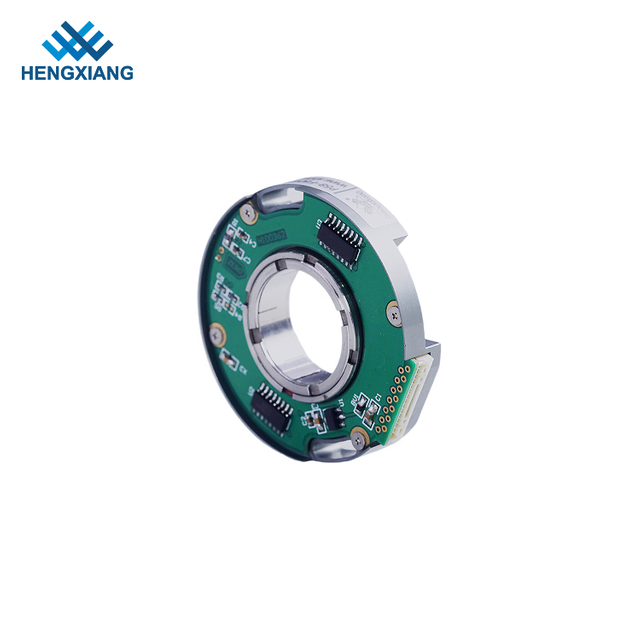
ZM35 – Absolute encoder, 35 mm × 11.8 mm, 24‑bit resolution, about 80 g. Remembers position after power‑off – perfect for folding drones that never need a homing sequence.
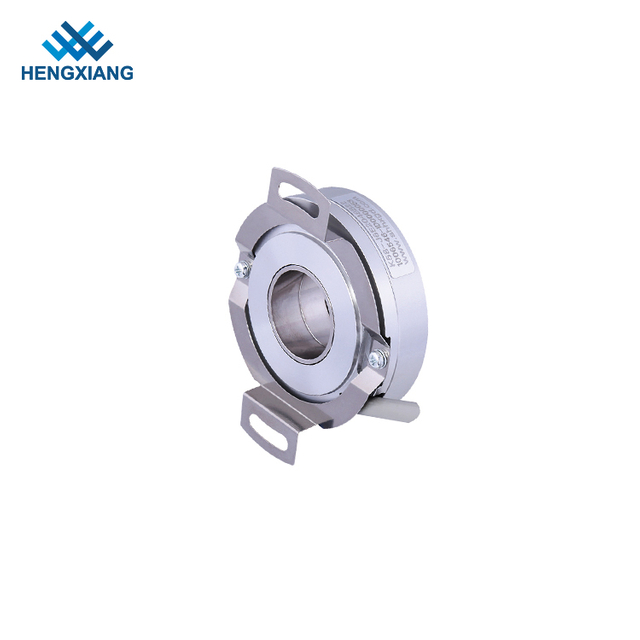
Miniature Optical Series – Only 18 mm diameter, 18 g weight, 36‑1600 PPR. Designed for sub‑250g drones and micro gimbals where every gram counts.
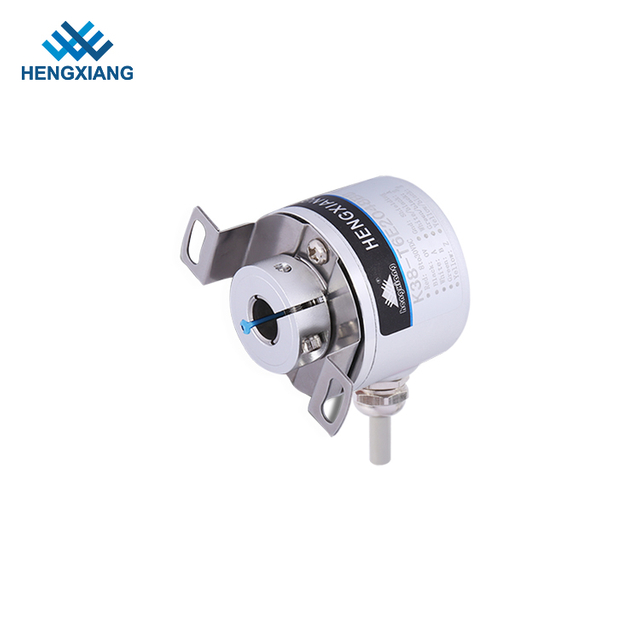
S38 – 38 mm diameter, robust incremental encoder for actuator feedback (e.g., wing flaps or payload doors).
Real‑World Benefit
With a 1024 PPR encoder on the gimbal, a drone can lock onto a target with angular error below 0.1°. This means crisp inspection images and cinematic video, even in turbulence. For mapping drones, the ZM35 absolute encoder guarantees known camera orientation at power‑on – saving time and reducing mechanical wear.
Conclusion
Encoders may be hidden inside a drone’s gimbal, but their role is as critical as the lens. Choosing the right encoder – small, precise, and efficient – directly affects image quality and flight performance. Hengxiang’s Z48, ZM35, and miniature optical series provide the precision that modern drones demand.
Contact Hengxiang for samples and technical data.